
Soil Ripper vs. Traditional Tillage: Which is Best for Your Fields?
Release time:
2026-01-29 09:50
Source:
Soil Ripper vs. Traditional Tillage: Which is Best for Your Fields?
Table of Contents
- Understanding Soil Rippers
- Traditional Tillage Techniques
- Key Differences Between Soil Rippers and Traditional Tillage
- Advantages of Soil Rippers
- Disadvantages of Soil Rippers
- Advantages of Traditional Tillage
- Disadvantages of Traditional Tillage
- Which Method is Best for Your Fields?
- Frequently Asked Questions
Understanding Soil Rippers
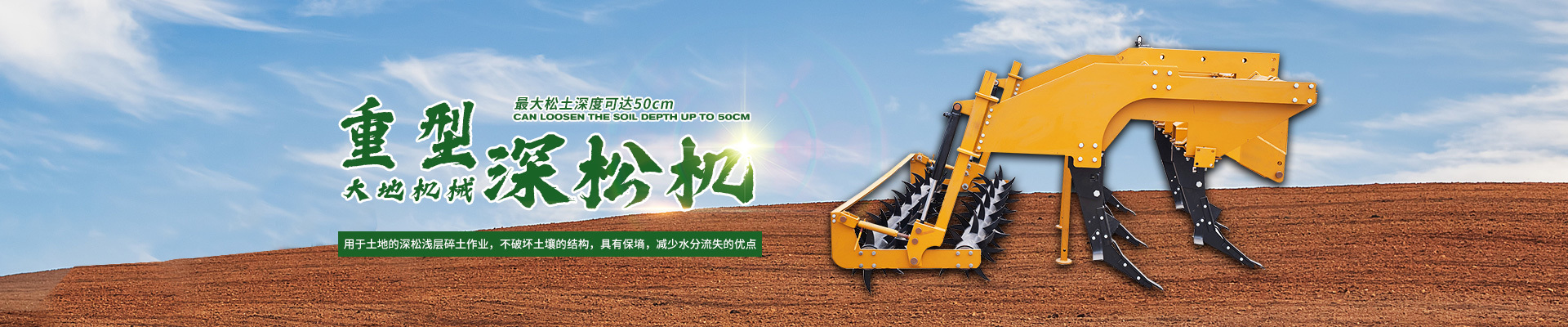
Soil rippers are specialized agricultural tools designed to penetrate the soil deeply and break up compacted layers. Unlike traditional tillage methods that often rely on plows or harrows, soil rippers utilize a unique design that allows them to break through hardpan layers without disturbing the entire soil structure. This makes them particularly beneficial for areas where soil compaction has hindered root development and water infiltration.
Operating a soil ripper typically involves a tractor or other heavy machinery that pulls the implement through the soil. The ripping blades, often shaped like wings or points, can reach depths of 12 to 18 inches, allowing for effective aeration and breaking up of subsoil layers.
Traditional Tillage Techniques
Traditional tillage encompasses several methods aimed at soil preparation for planting crops. These methods include moldboard plowing, disc harrowing, and field cultivation. Each of these techniques serves to aerate the soil, mix organic matter, and control weeds, but they also come with their own set of advantages and drawbacks.
Moldboard plowing, for example, turns over the soil, burying crop residue and exposing new soil to air. This can help with pest control and enhance soil fertility but can also lead to increased erosion and loss of soil structure over time. Other techniques, like disc harrowing, involve cutting and mixing the topsoil layer, which can be effective in preparing a seedbed but may not address deeper compaction issues.
Key Differences Between Soil Rippers and Traditional Tillage
Understanding the fundamental differences between soil rippers and traditional tillage methods is essential in determining the best approach for your specific agricultural needs.
Soil Compaction Management
One of the most significant differences lies in how each method addresses soil compaction. Soil rippers target the layers directly beneath the surface, effectively reducing compaction without disturbing the entire topsoil. In contrast, traditional tillage often exacerbates compaction issues by turning over the soil and increasing the potential for settling.
Soil Structure Preservation
Soil rippers excel in preserving soil structure, allowing natural soil organisms to thrive and maintain healthy ecosystems. On the other hand, traditional tillage can lead to soil degradation due to excessive disturbance, potentially affecting soil health in the long run.
Moisture Retention
Soil rippers enhance moisture retention by breaking up hardpan layers that can impede water infiltration. Traditional tillage, while effective in preparing a seedbed, can sometimes lead to increased water runoff and evaporation, particularly in sandy or loamy soils.
Advantages of Soil Rippers
Soil rippers offer numerous advantages to modern agricultural practices. Let's delve into some key benefits.
Deep Root Development
By addressing compaction at deeper soil levels, soil rippers promote healthier root systems. This leads to improved nutrient uptake, better drought resistance, and greater overall plant resilience.
Reduced Soil Erosion
With less surface disturbance, soil rippers help minimize soil erosion. This is critical in maintaining soil health and preventing degradation of valuable arable land.
Improved Water Infiltration
Soil rippers facilitate better water movement through the soil profile, allowing for efficient irrigation practices. This not only conserves water but also leads to more effective crop growth.
Enhanced Soil Biology
Soil rippers create a conducive environment for beneficial soil organisms, promoting a balanced ecosystem. This can lead to healthier soils and, ultimately, healthier crops.
Disadvantages of Soil Rippers
While soil rippers have many benefits, there are also some drawbacks to consider.
Initial Investment Costs
The cost of purchasing high-quality soil rippers can be substantial. Farmers must weigh the long-term benefits against the initial investment, which may not suit every budget.
Operator Skill Requirement
Using a soil ripper effectively requires skilled operation. Improper use may lead to suboptimal results, necessitating training or experience to ensure efficient implementation.
Limited Use Cases
Soil rippers may not be suitable for all types of soil or crop systems. Farmers need to evaluate their unique conditions and crop requirements before deciding to invest in this type of equipment.
Advantages of Traditional Tillage
Traditional tillage techniques also present several advantages that may appeal to farmers.
Effective Weed Control
One of the hallmark benefits of traditional tillage is its effectiveness in controlling weeds. By turning over the soil, dormant weed seeds can be brought to the surface and eliminated before planting.
Soil Aeration
Traditional methods, such as moldboard plowing, effectively aerate the soil, enabling proper root penetration and promoting robust crop development.
Incorporation of Organic Matter
Traditional tillage allows for the thorough incorporation of organic matter and crop residues into the soil, enriching fertility and promoting healthier soil conditions.
Disadvantages of Traditional Tillage
Despite the benefits, traditional tillage methods also have limitations that farmers should consider.
Soil Degradation
The frequent disturbance of soil can lead to degradation, negatively affecting soil structure and health over time. This can compromise long-term agricultural productivity.
Increased Erosion Risk
Traditional tillage can increase the risk of soil erosion, particularly on sloped fields. This can lead to nutrient loss and contribute to decreased soil fertility.
Higher Labor and Fuel Costs
The labor and fuel costs associated with traditional tillage practices can be significant. Farmers must evaluate the economic implications of employing these methods regularly.
Which Method is Best for Your Fields?
Determining the best method for your fields involves several considerations, including soil type, crop choice, and long-term goals.
Assess Your Soil Conditions
Conduct a thorough assessment of your soil to identify compaction issues, moisture retention capacity, and overall health. This will guide your decision on whether a soil ripper or traditional tillage is more suitable.
Evaluate Crop Requirements
Different crops have unique requirements regarding soil preparation. Understand your crop’s needs for root depth, nutrient uptake, and moisture levels to choose the best tillage method.
Consider Your Long-Term Goals
Think about your long-term agricultural goals, such as sustainability, yield enhancement, and soil health. Your choice of tillage method should align with these objectives.
Frequently Asked Questions
1. What is the primary function of a soil ripper?
Soil rippers are designed to break up compacted layers of soil, facilitating better drainage, root growth, and overall soil health without disturbing the upper layers excessively.
2. Can I use a soil ripper in all soil types?
While soil rippers are effective in many soil types, their efficiency may vary. It's crucial to evaluate the specific soil conditions and compaction levels before use.
3. How does traditional tillage affect soil health?
Traditional tillage can negatively impact soil health through excessive disturbance, leading to erosion and degradation, but it can also improve aeration and weed control if used appropriately.
4. What are the environmental impacts of each method?
Soil rippers tend to promote better soil health and moisture retention, while traditional tillage may increase erosion and nutrient loss. Farmers should consider the environmental implications of their chosen method.
5. How can I decide between soil rippers and traditional tillage?
Assess your specific soil conditions, crop requirements, and long-term agricultural goals. Consulting with agronomic experts can also provide valuable insights tailored to your situation.
Conclusion
Choosing between soil rippers and traditional tillage methods ultimately hinges on understanding the specific needs of your fields, soil conditions, and crop goals. Soil rippers provide a modern solution to soil compaction and moisture retention issues while preserving soil structure and promoting ecological health. On the other hand, traditional tillage remains a tried-and-true method that offers effective weed control and organic matter incorporation but carries the risk of soil degradation and erosion.
By carefully evaluating the advantages and disadvantages of each technique, farmers can make informed decisions that will enhance productivity and sustainability in their agricultural practices. Whether you lean towards the innovative approach of soil rippers or the classic familiarity of traditional tillage, the key is to align your choice with the unique requirements of your land and crops for optimal results.
Related News
The correct use and maintenance of the disc harrow: in operation, the technical condition of the rake, scraper, square shaft, bearing, angle adjuster and connecting parts should be checked frequently, especially the end nut of the disc harrow group and the fixing bolts of each bearing. If it is found loose, tighten it in time, and remove the weeds and dirt on the workpiece in time.
How to maintain planter accessories
Planter A planting machine using crop seeds as a planting object. Planters for a certain type or crop are usually named after the crop type, such as wheat planter, cotton planter, etc. Planter accessories are very effective in farmland operations, so the planter accessories are easily damaged. Next, the planter manufacturer will introduce how to maintain the planter accessories. Before using the planter, we should have a simple and comprehensive understanding of the principles of all planter accessories. The planter manufacturer stated that it can be effective as long as the maintenance is carried out on the correct accessories to ensure the normal use of the planter accessories. The planter will extend its life.
The Essential Role of Heavy Rakes in Sustainable Agriculture
Heavy rakes are indispensable tools in modern agriculture, playing a significant role in soil management and crop preparation. These robust implements are designed to manage soil effectively, breaking up clumps and preparing it for planting. The primary function of a heavy rake is to level and aerate the soil, which can significantly enhance the growth environment for plants. One of the key benefi
Soil Ripper vs. Traditional Tillage: Which is Best for Your Fields?
Soil Ripper vs. Traditional Tillage: Which is Best for Your Fields? Table of Contents Understanding Soil Rippers Traditional Tillage Techniques Key Differences Between Soil Rippers and Traditional Tillage Advantages of Soil Rippers Disadvantages of Soil Rippers Advantages of Traditional Tillage Disadvantages of Traditional Tillage Which Method is Best for Your Fields? Frequently
The Advantages of Using a Combined Land Preparation Machine in Modern Agriculture
In the ever-evolving landscape of modern agriculture, the need for efficiency and productivity has never been more critical. One of the innovations that have significantly impacted land preparation is the combined land preparation machine. This versatile equipment integrates multiple farming processes into a single operation, making it a vital asset for farmers looking to optimize their workflows.
The Future of Agricultural Machinery: Hydraulic Heavy Rakes
The Future of Agricultural Machinery: Hydraulic Heavy Rakes Introduction to Hydraulic Heavy Rakes The agricultural industry is undergoing a significant transformation, driven by technological advancements and the need for increased efficiency. Among the most notable innovations in agricultural machinery are hydraulic heavy rakes. These machines are revolutionizing the way farmers manage their fiel
CONTACT US
E-mail : dadi@disc.net.cn
Tel : +86-534-2128662
Tel : +86-534-8103188
E-mail : yaoqiang@disc.net.cn
E-mail : zf@disc.net.cn
WhatsApp : +8613953408459
Add : Yucheng (provincial level) High-tech Development Zone, Shandong Province, China
MESSAGE
Copyright : Yucheng Dadi Machinery Manufacturing Co., Ltd. Powered by : 300.cn jinan2 Seo Business License