
Wheat planter factory
Release time:
2025-12-03 11:28
Source:
Wheat planter is suitable for small grain planting, such as millet, vegetables
Model | 2BXY-16/5 | 2BXY-12/4 | 2BXY-9/3 | 2BXY-6/2 | ||||
Supporting power HP | 25-65 | 15-30 | 12-20 | 12-20 | ||||
Transport clearance mm | 300 | 300 | 300 | 300 | ||||
Crop species | Wheat | Corn | Wheat | Corn | Wheat | Corn | Wheat | Corn |
Number of sowing rows | 16 | 5 | 12 | 4 | 9 | 3 | 6 | 2 |
Row spacing mm | 120-180 | ≦600 | 150-200 | ≦600 | 120-200 | ≦600 | 120-200 | ≦600 |
Sowing depth mm | 20-40 | 30-50 | 20-40 | 30-50 | 20-40 | 30-50 | 20-40 | 30-50 |
Seed tank volume L | 150 | 8*5 | 100 | 8*4 | 75 | 8*3 | 48 | 8*6 |
Work efficiency ha/h | 0.6-1.0 | 0.33-0.5 | 0.4-0.7 | 0.25-0.4 | 0.3-0.5 | 0.2-0.3 | 0.2-0.33 | 0.13-0.2 |
Sowing rate kg/ha | 75-450 | 22.5-75 | 75-450 | 22.5-75 | 75-450 | 22.5-75 | 75-450 | 22.5-75 |

Previous Page
Related News
The correct use and maintenance of the disc harrow: in operation, the technical condition of the rake, scraper, square shaft, bearing, angle adjuster and connecting parts should be checked frequently, especially the end nut of the disc harrow group and the fixing bolts of each bearing. If it is found loose, tighten it in time, and remove the weeds and dirt on the workpiece in time.
How to maintain planter accessories
Planter A planting machine using crop seeds as a planting object. Planters for a certain type or crop are usually named after the crop type, such as wheat planter, cotton planter, etc. Planter accessories are very effective in farmland operations, so the planter accessories are easily damaged. Next, the planter manufacturer will introduce how to maintain the planter accessories. Before using the planter, we should have a simple and comprehensive understanding of the principles of all planter accessories. The planter manufacturer stated that it can be effective as long as the maintenance is carried out on the correct accessories to ensure the normal use of the planter accessories. The planter will extend its life.
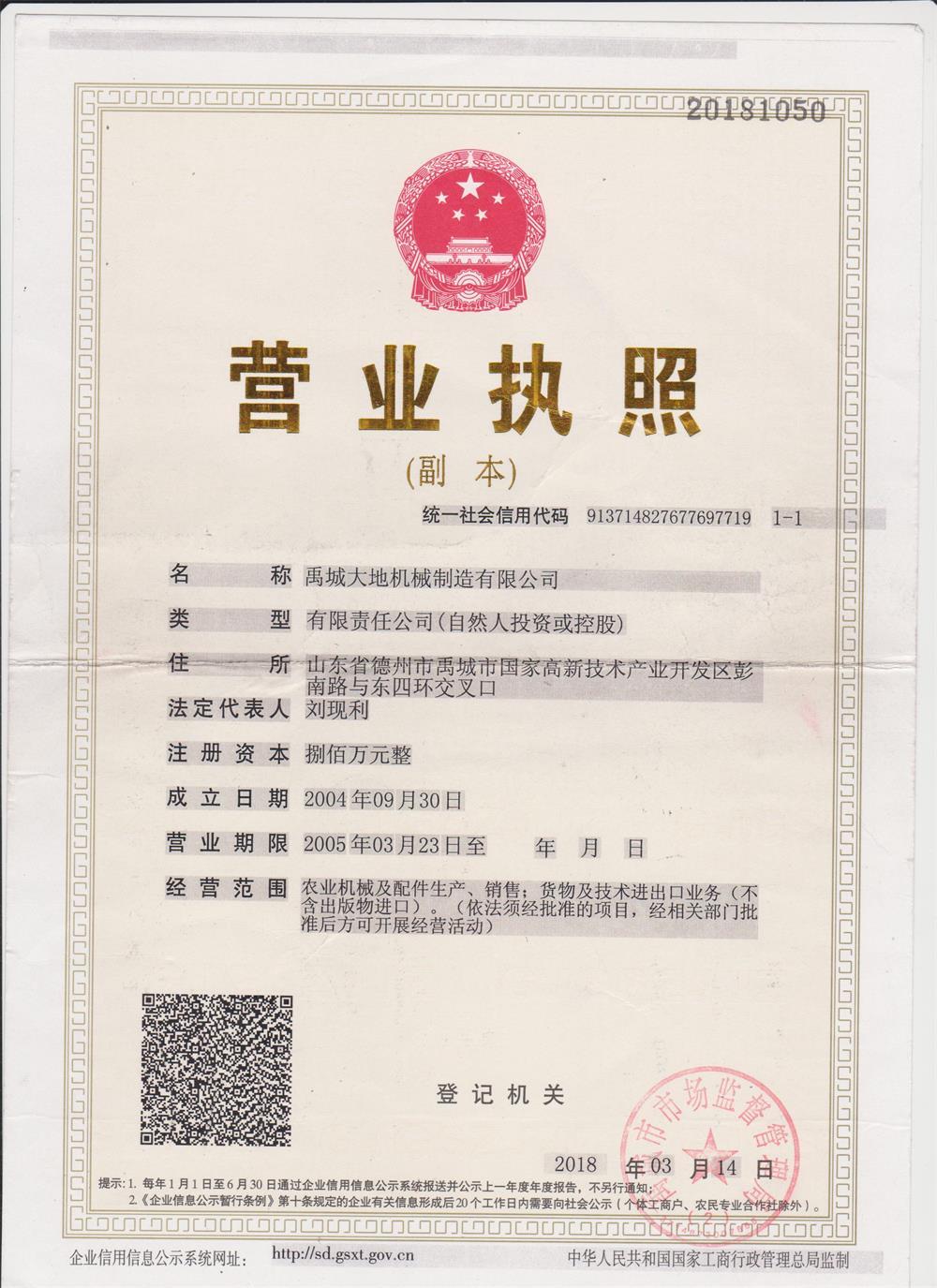
Dadi Machinery is a professional Wheat planter factory, delivering efficient and reliable agricultural machinery to support global farming productivity and innovation
Unlocking Soil Potential: The Role of Soil Rippers in Modern Agriculture
Soil rippers are essential agricultural implements designed to tackle compacted soil, enhance aeration, and improve overall soil health. In agriculture, the condition of the soil is paramount, as it directly impacts crop yield and sustainability. Soil compaction can lead to reduced root penetration, poor drainage, and limited nutrient availability, which in turn affects plant growth and productivi
Why Every Farmer Needs a Combined Land Preparation Machine for Optimal Agriculture
Why Every Farmer Needs a Combined Land Preparation Machine for Optimal Agriculture Table of Contents Introduction to Combined Land Preparation Machines Understanding Combined Land Preparation Machines Key Benefits of Using a Combined Land Preparation Machine 1. Enhanced Efficiency in Farming Operations 2. Significant Cost Savings 3. Superior Land Management 4. P
CONTACT US
E-mail : dadi@disc.net.cn
Tel : +86-534-2128662
Tel : +86-534-8103188
E-mail : yaoqiang@disc.net.cn
E-mail : zf@disc.net.cn
WhatsApp : +8613953408459
Add : Yucheng (provincial level) High-tech Development Zone, Shandong Province, China
MESSAGE
Copyright : Yucheng Dadi Machinery Manufacturing Co., Ltd. Powered by : 300.cn jinan2 Seo Business License