
Unlocking Soil Potential: The Advantages of Using a Soil Ripper
Release time:
2025-07-09 15:40
Source:
Unlocking Soil Potential: The Advantages of Using a Soil Ripper
In the ever-evolving field of agriculture, farmers and agronomists continuously seek innovative solutions to enhance soil health and maximize crop yields. One such tool that has gained significant attention is the soil ripper. This powerful implement is designed for deep tillage, breaking up compacted soil layers and improving overall soil structure. In this article, we will explore the numerous advantages of using a soil ripper, how it can transform your farming practices, and its critical role in sustainable agriculture.
Table of Contents
- Understanding Soil Compaction
- What is a Soil Ripper?
- Benefits of Using a Soil Ripper
- Enhancing Soil Structure
- Improving Water Retention
- Boosting Root Development
- Increasing Nutrient Availability
- How to Use a Soil Ripper
- Best Practices and Tips for Effective Usage
- Soil Ripper vs. Other Tillage Methods
- Case Studies and Success Stories
- Frequently Asked Questions
- Conclusion
Understanding Soil Compaction
Soil compaction occurs when soil particles are pressed together, reducing pore space and making it difficult for air, water, and roots to penetrate. This phenomenon can arise from various factors, including heavy machinery, poor drainage, and over-grazing. Compacted soils often lead to poor crop performance, as they hinder root growth and nutrient absorption. Recognizing the signs of soil compaction is crucial for farmers aiming to improve soil health and agricultural productivity.
What is a Soil Ripper?
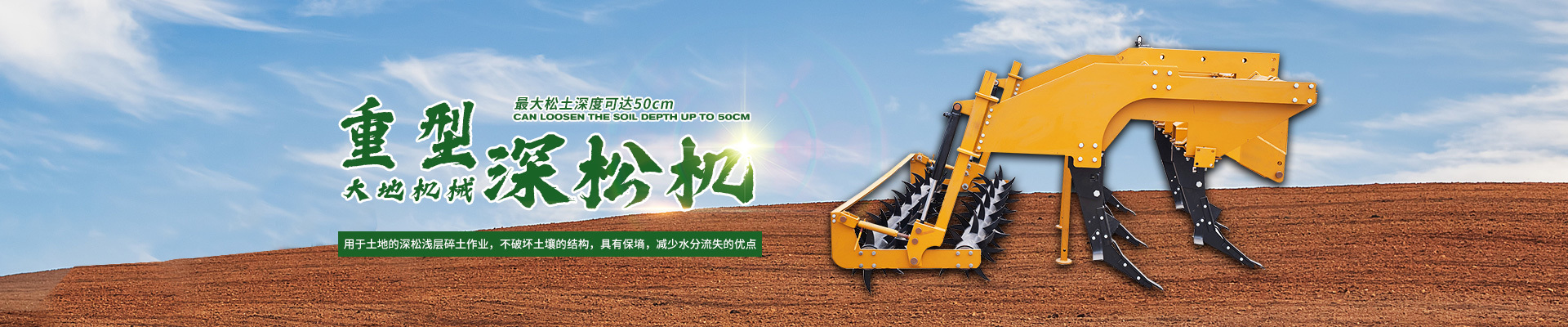
A soil ripper is a specialized agricultural implement designed to penetrate compacted soil layers. Typically equipped with one or more sharp, robust tines or shanks, a soil ripper breaks up hardpan soils, allowing for improved aeration and drainage. Unlike traditional plowing methods, soil rippers focus on deep tillage without inverting the soil, which helps maintain soil structure and microbial health.
Benefits of Using a Soil Ripper
Enhancing Soil Structure
One of the primary advantages of using a soil ripper is its ability to enhance soil structure. By breaking up compacted layers, the soil becomes more porous, allowing for better air and water movement. This improved structure not only supports healthy root development but also fosters a thriving ecosystem of beneficial microorganisms essential for soil health.
Improving Water Retention
Compacted soils often struggle with water retention, leading to runoff and erosion. A soil ripper creates channels within the soil, enabling it to absorb and retain moisture more effectively. This is particularly vital in areas experiencing drought or inconsistent rainfall, as improved water retention can significantly reduce irrigation needs while promoting crop health.
Boosting Root Development
When soil is compacted, roots face significant challenges in penetrating the earth, limiting their ability to access nutrients and water. By utilizing a soil ripper, farmers can facilitate deeper root growth, leading to healthier plants that are better equipped to withstand environmental stresses. Strong root systems also enhance nutrient uptake, further improving crop yields.
Increasing Nutrient Availability
Compacted soil often restricts the movement of nutrients, making them less available to plants. A soil ripper not only enhances the soil structure but also encourages microbial activity, which plays a vital role in nutrient cycling. As beneficial microbes thrive, they break down organic matter and release essential nutrients into the soil, promoting healthier crop growth.
How to Use a Soil Ripper
Using a soil ripper effectively requires proper technique and understanding of the tool. Here are some steps to follow:
- Assess Soil Conditions: Before utilizing a soil ripper, evaluate the soil's compaction level and moisture content. Ideal conditions are slightly moist soils, which allow for better penetration.
- Set the Depth: Adjust the ripper’s tines to the desired depth, typically between 10 to 16 inches, depending on the level of compaction and crop needs.
- Perform Passes: Make multiple passes over the affected areas, ensuring that the soil is adequately broken up. Overlapping passes can enhance effectiveness.
- Monitor Changes: After using the soil ripper, monitor soil moisture and crop growth to gauge improvements and make adjustments as needed in future tillage practices.
Best Practices and Tips for Effective Usage
To maximize the benefits of a soil ripper, consider the following best practices:
- Utilize in Rotation: Integrate soil ripping into your crop rotation schedule to maintain soil health and prevent compaction from reoccurring.
- Combine with Cover Crops: Plant cover crops during off-seasons to enhance soil structure and prevent erosion, complementing the benefits of soil ripping.
- Regular Soil Testing: Conduct soil tests regularly to assess compaction levels and nutrient availability, guiding your ripping practices effectively.
- Educate Yourself: Stay updated on the latest agricultural research regarding soil health and tillage practices to refine your usage of the soil ripper.
Soil Ripper vs. Other Tillage Methods
While soil rippers offer unique advantages, it's essential to compare them with other tillage methods. Traditional moldboard plowing, for instance, inverts the soil, which can lead to the disruption of soil structure and microbial communities. In contrast, a soil ripper preserves soil layers while improving aeration and drainage. No-till farming is another alternative that focuses on minimizing soil disturbance. However, for severely compacted soils, a soil ripper can provide the necessary deep penetration that no-till methods may not achieve.
Case Studies and Success Stories
Farmers across the globe have reported significant improvements in crop yields and soil health after incorporating soil rippers into their agricultural practices. For example, a farm in Iowa, USA, experienced a 30% increase in corn yields after using a soil ripper to alleviate compaction from heavy machinery. Similarly, in Australia, farmers noted enhanced water retention and reduced irrigation costs when transitioning to soil ripping methods. Such success stories highlight the tangible benefits of adopting soil rippers in modern agriculture.
Frequently Asked Questions
1. What type of soil is best for ripping?
Soil types with significant compaction issues, such as clay soils, benefit the most from ripping. It's crucial to assess moisture levels before ripping to ensure optimal results.
2. How often should I use a soil ripper?
Frequency depends on soil conditions and crop rotation. Generally, using a soil ripper once every few years or as needed can help maintain soil health.
3. Can a soil ripper be used on all crops?
Yes, soil rippers can be beneficial for a wide variety of crops, particularly those with deep root systems, like corn and soybeans.
4. Are there any downsides to using a soil ripper?
If not used correctly, a soil ripper can disturb the soil structure if overused or used in dry conditions. Proper management is essential.
5. What is the cost of a soil ripper?
The cost of a soil ripper varies based on size, brand, and features, but investing in quality equipment can pay off through improved yields and soil health.
Conclusion
Utilizing a soil ripper can be a game-changer in agricultural practices, unlocking the potential of compacted soils and paving the way for healthier crops and increased yields. By understanding the advantages of soil ripping, farmers can make informed decisions that lead to sustainable agricultural practices. Embracing this powerful tool not only enhances soil structure and nutrient availability but also contributes to the long-term viability of our farming systems. With proper use and management, a soil ripper can become an invaluable asset in the journey towards improved soil health and agricultural success.
Next Page
Related News
The correct use and maintenance of the disc harrow: in operation, the technical condition of the rake, scraper, square shaft, bearing, angle adjuster and connecting parts should be checked frequently, especially the end nut of the disc harrow group and the fixing bolts of each bearing. If it is found loose, tighten it in time, and remove the weeds and dirt on the workpiece in time.
How to maintain planter accessories
Planter A planting machine using crop seeds as a planting object. Planters for a certain type or crop are usually named after the crop type, such as wheat planter, cotton planter, etc. Planter accessories are very effective in farmland operations, so the planter accessories are easily damaged. Next, the planter manufacturer will introduce how to maintain the planter accessories. Before using the planter, we should have a simple and comprehensive understanding of the principles of all planter accessories. The planter manufacturer stated that it can be effective as long as the maintenance is carried out on the correct accessories to ensure the normal use of the planter accessories. The planter will extend its life.
Revolutionizing Agriculture: The Role of Combined Land Preparation Machines
In the realm of agriculture, efficiency and productivity are paramount. One innovative solution that has gained traction is the combined land preparation machine. This versatile piece of equipment integrates various land preparation activities—such as plowing, harrowing, and seedbed preparation—into a single operation. This not only saves time and labor but also optimizes the use of resources, mak
Hydraulic Heavy Rakes: Enhancing Field Efficiency One Row at a Time
Hydraulic Heavy Rakes: Enhancing Field Efficiency One Row at a Time Table of Contents 1. Introduction to Hydraulic Heavy Rakes 2. Importance of Hydraulic Heavy Rakes in Modern Agriculture 3. Types of Hydraulic Heavy Rakes 4. Key Features and Advantages of Hydraulic Heavy Rakes 5. Applications of Hydraulic Heavy Rakes in Agriculture 6. Enhancing Field Efficiency with Hydrau
The Essential Guide to Lawn Mowers: Choosing the Right Tool for Your Landscaping Needs
When it comes to maintaining a beautiful lawn, a lawn mower is an indispensable tool for homeowners and landscape professionals alike. These machines are designed to cut grass at an even height, promoting healthy growth and enhancing the aesthetic appeal of outdoor spaces. Understanding the different types of lawn mowers, their features, and maintenance tips can help you make informed decisions an
From Soil to Seed: How Rotary Tillers Revolutionize Gardening for a Thriving Garden
From Soil to Seed: How Rotary Tillers Revolutionize Gardening for a Thriving Garden Table of Contents 1. Introduction to Rotary Tillers in Modern Gardening 2. Understanding the Importance of Soil Preparation 3. Types of Rotary Tillers: Choosing the Right One for Your Needs 3.1 Gas-Powered Tillers 3.2 Electric Tillers 3.3 Handheld Tillers 4. Benefits of Using Rotary Tillers in Gardening 4.1 Improve
CONTACT US
E-mail : dadi@disc.net.cn
Tel : +86-534-2128662
Tel : +86-534-8103188
E-mail : yaoqiang@disc.net.cn
E-mail : zf@disc.net.cn
WhatsApp : +8613953408459
Add : Yucheng (provincial level) High-tech Development Zone, Shandong Province, China
SOCIAL MEDIA
MESSAGE
Copyright : Yucheng Dadi Machinery Manufacturing Co., Ltd. Powered by : 300.cn jinan2 Seo Business License