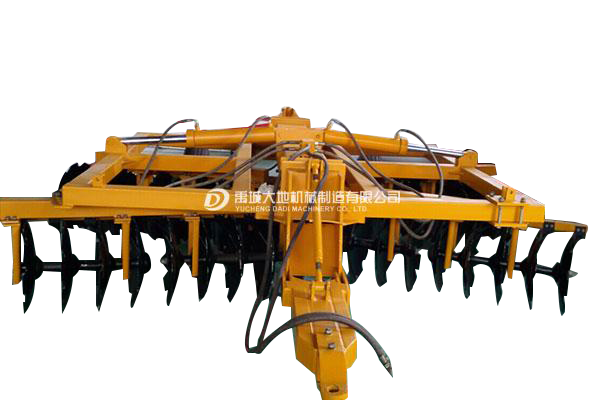
1PS series hydraulic heavy-duty deep loosening machine
Classification:
PRODUCT DESCRIPTION
1PS deep loosening machine technical parameters
Machine model | 1PS-150 | 1PS-250 | 1PS-350 |
Working width (mm) | 1500 | 2500 | 3500 |
Maximum depth of soil loosening (mm) | 500 | 500 | 500 |
Subsoiling tooth number | 3 | 5 | 7 |
Overall dimension (length x width x height)(mm) | 1550x3100x1600 | 2550x3100x1600 | 3550x3100x1600 |
Overall weight (kg) | 900~950 | 1050~1100 | 1200~1250 |
Supporting power (hp) | More than 120 | More than 150 | More than 180 |
Hanging mode | three-point suspension | three-point suspension | three-point suspension |
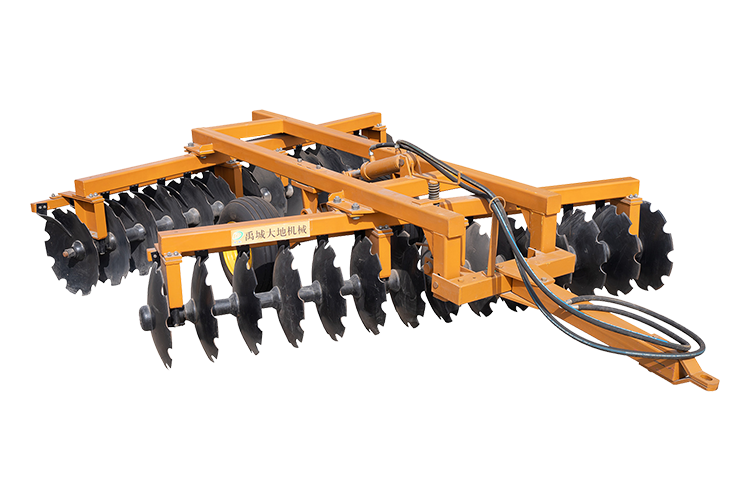
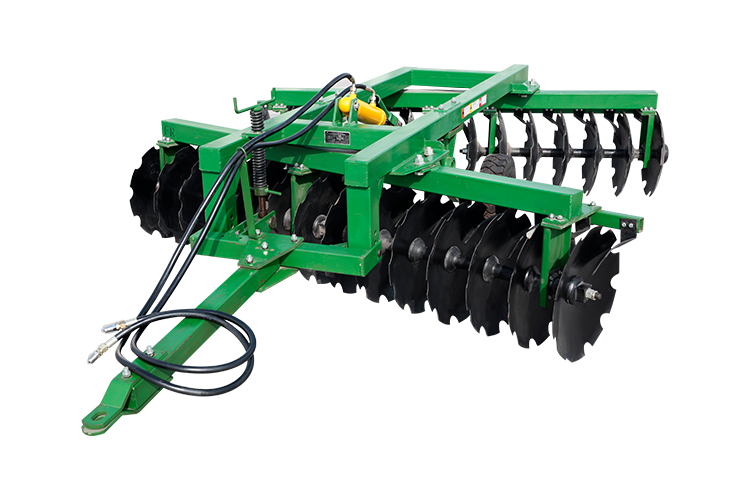
In the realm of modern agriculture, construction, and land management, the challenge of compacted soil is a fundamental barrier to productivity, sustainability, and structural integrity. Subsoil compaction, often caused by heavy machinery, livestock, or natural sedimentation, creates a hardpan layer that restricts root growth, impedes water infiltration, and leads to surface runoff and erosion. The hydraulic heavy-duty deep loosening machine emerges as a paramount engineering solution to this pervasive problem. This robust implement, designed to be mounted on or pulled by high-horsepower tractors, utilizes immense hydraulic power to fracture compacted layers at significant depths without inverting the soil profile. Its advantages are multifaceted, delivering transformative agronomic, environmental, and economic benefits.
The core technological advantage of this machine lies in its profound depth capability and powerful soil fracture mechanism. Unlike standard tillage equipment that works the top few inches of soil, a heavy-duty deep loosener is engineered to penetrate depths of 24 inches to well over 36 inches. This is achieved through a combination of massively constructed, heat-treated shanks—tipped with durable, replaceable points—and a powerful hydraulic system that provides downforce, often through a wheel or cylinder mechanism. This system ensures consistent penetration even in the toughest conditions. The shanks are designed to shatter the hardpan laterally, creating fissures and fractures that break the compaction pattern. This deep, non-inversion action is critical; it preserves the valuable soil structure and microbiome of the topsoil while utterly destroying the restrictive layer beneath, creating a stable yet porous subsoil environment conducive to deep root development.
Keywords: land machinery, agricultural machinery
MESSAGE
CONTACT US
E-mail : dadi@disc.net.cn
Tel : +86-534-2128662
Tel : +86-534-8103188
E-mail : yaoqiang@disc.net.cn
E-mail : zf@disc.net.cn
WhatsApp : +8613953408459
Add : Yucheng (provincial level) High-tech Development Zone, Shandong Province, China
SOCIAL MEDIA
MESSAGE
Copyright : Yucheng Dadi Machinery Manufacturing Co., Ltd. Powered by : 300.cn jinan2 Seo Business License