
Heavy Rake vs. Traditional Rakes: Which Tool is Right for You?
Release time:
2026-04-09 09:50
Source:
Heavy Rake vs. Traditional Rakes: Which Tool is Right for You?
Table of Contents
- Introduction to Rakes in Agriculture
- Understanding the Types of Rakes
- What is a Heavy Rake?
- What is a Traditional Rake?
- Comparing Heavy Rakes and Traditional Rakes
- Advantages and Disadvantages of Heavy Rakes
- Advantages and Disadvantages of Traditional Rakes
- Which Tool is Right for You?
- Conclusion
- Frequently Asked Questions
Introduction to Rakes in Agriculture
In the realm of agriculture and gardening, efficiency is paramount. Rakes serve as essential tools for various tasks, from leveling soil to collecting debris. Understanding the differences between heavy rakes and traditional rakes helps in selecting the right tool tailored to specific needs. This article explores the unique features, benefits, and drawbacks of each type.
Understanding the Types of Rakes
Rakes have evolved over time, and today, they are categorized primarily into two types: **heavy rakes** and **traditional rakes**. Each type is designed for different tasks, offering unique features to meet diverse agricultural demands.
What is a Heavy Rake?
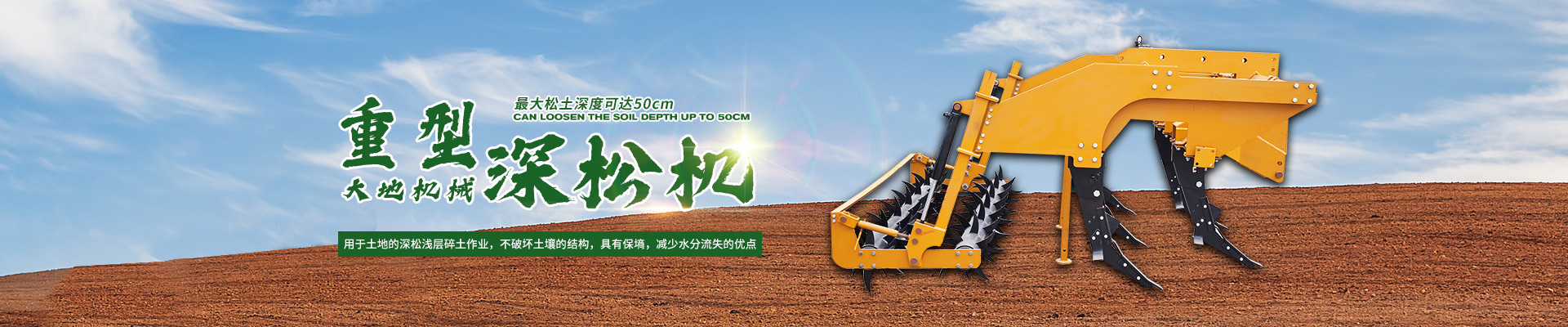
A **heavy rake**, often referred to as a landscape rake, is designed for more demanding tasks. It typically features a wider head and heavy-duty tines made from durable materials. Heavy rakes are ideal for breaking up compacted soil, leveling large areas, and even spreading gravel.
Key Features of Heavy Rakes
- **Sturdy Construction**: Built to withstand tough conditions and heavy use.
- **Wide Rake Head**: Allows for greater coverage per stroke, enhancing efficiency.
- **Adjustable Height**: Many models offer adjustable heights for versatility in various tasks.
Best Uses for Heavy Rakes
- **Landscaping**: Ideal for leveling soil or gravel.
- **Garden Preparation**: Effective for breaking up hard soil in larger garden beds.
- **Debris Collection**: Efficient for gathering leaves and other debris over large areas.
What is a Traditional Rake?
A **traditional rake**, often recognized by its classic design, features a narrower head and tines that are usually lighter and more flexible. These rakes are suitable for lighter tasks and are commonly used by gardeners and homeowners.
Key Features of Traditional Rakes
- **Lightweight Design**: Easier to handle for extended periods.
- **Narrower Head**: Allows for more precise control when working on smaller areas.
- **Flexible Tines**: Adapt well to different soil textures and conditions.
Best Uses for Traditional Rakes
- **Garden Maintenance**: Perfect for raking leaves and spreading mulch.
- **Soil Aeration**: Helps in loosening soil in smaller garden plots.
- **General Cleanup**: Ideal for gathering debris around the garden.
Comparing Heavy Rakes and Traditional Rakes
Choosing between a heavy rake and a traditional rake ultimately hinges on the scope of work and personal preference. Here we offer a detailed comparison of the two tools.
Weight and Maneuverability
Heavy rakes, while robust, can be cumbersome and require more effort to maneuver. Traditional rakes, on the other hand, offer ease of handling, making them more user-friendly for prolonged use.
Durability and Longevity
Heavy rakes are built to endure harsh conditions and heavy workloads, often resulting in a longer lifespan. Traditional rakes may wear out faster under heavy use, making them less suitable for demanding tasks.
Efficiency in Task Execution
Heavy rakes excel in efficiency when covering larger areas and performing heavy-duty tasks. Traditional rakes shine in tasks requiring precision, particularly in smaller garden settings.
Advantages and Disadvantages of Heavy Rakes
Understanding the pros and cons of heavy rakes is crucial for making an informed decision.
Advantages of Heavy Rakes
- **Versatile Functionality**: Can handle a variety of tasks from leveling soil to debris collection.
- **Increased Efficiency**: The wider head allows for larger coverage, making tasks quicker.
- **Heavy-Duty Construction**: Built for longevity and resilience against tough conditions.
Disadvantages of Heavy Rakes
- **Weight**: May be too heavy for some users, particularly for prolonged use.
- **Cost**: Generally more expensive than traditional rakes due to their robust construction.
Advantages and Disadvantages of Traditional Rakes
Like heavy rakes, traditional rakes also have their strengths and weaknesses.
Advantages of Traditional Rakes
- **Lightweight and Easy to Handle**: Ideal for users who may struggle with heavier tools.
- **Cost-Effective**: Typically cheaper than heavy rakes, making them accessible for all.
- **Precision Control**: Better suited for smaller, more intricate tasks.
Disadvantages of Traditional Rakes
- **Limited Scope**: Not ideal for heavy-duty tasks or large areas.
- **Less Durable**: May wear out faster under demanding workloads.
Which Tool is Right for You?
Determining whether a heavy rake or a traditional rake is right for you depends on several factors, including the scale of your gardening or farming projects, the type of soil you work with, and your personal preference regarding tool weight and handling.
Consider Your Gardening Needs
If you frequently work on large plots of land or engage in heavy landscaping, a **heavy rake** might be the optimal choice. Conversely, for smaller gardens where precision is key, a **traditional rake** may suit your needs better.
Evaluate Your Physical Capability
Consider your strength and stamina. If you find handling heavier tools challenging, the lightweight nature of traditional rakes will likely be more comfortable and efficient for you.
Conclusion
In the debate between heavy rakes and traditional rakes, the right choice comes down to individual needs, project requirements, and personal preferences. Heavy rakes offer durability and efficiency for larger tasks, while traditional rakes provide precision and ease of use for lighter gardening activities. By carefully assessing your gardening or farming requirements, you can select the rake that best aligns with your goals, ensuring success in your agricultural endeavors.
Frequently Asked Questions
1. Can I use a heavy rake for smaller gardening tasks?
Yes, you can use a heavy rake for smaller tasks, but it may be less efficient and more cumbersome than a traditional rake.
2. Are traditional rakes suitable for leveling soil?
While traditional rakes can level soil, they are not as effective as heavy rakes, which are specifically designed for that purpose.
3. How do I maintain my rake for longevity?
Regularly cleaning your rake after use, storing it in a dry place, and checking for wear and tear can significantly extend its lifespan.
4. Can I use heavy rakes for debris collection?
Absolutely! Heavy rakes are excellent for collecting larger debris, such as leaves and stones, thanks to their robust design.
5. What is the average cost difference between heavy and traditional rakes?
Heavy rakes typically range from $50 to $150, while traditional rakes can range from $10 to $50, depending on the brand and features.
Related News
The correct use and maintenance of the disc harrow: in operation, the technical condition of the rake, scraper, square shaft, bearing, angle adjuster and connecting parts should be checked frequently, especially the end nut of the disc harrow group and the fixing bolts of each bearing. If it is found loose, tighten it in time, and remove the weeds and dirt on the workpiece in time.
How to maintain planter accessories
Planter A planting machine using crop seeds as a planting object. Planters for a certain type or crop are usually named after the crop type, such as wheat planter, cotton planter, etc. Planter accessories are very effective in farmland operations, so the planter accessories are easily damaged. Next, the planter manufacturer will introduce how to maintain the planter accessories. Before using the planter, we should have a simple and comprehensive understanding of the principles of all planter accessories. The planter manufacturer stated that it can be effective as long as the maintenance is carried out on the correct accessories to ensure the normal use of the planter accessories. The planter will extend its life.
Common Mistakes to Avoid When Using Hydraulic Heavy Rakes
Common Mistakes to Avoid When Using Hydraulic Heavy Rakes In the world of agriculture, efficiency is key. Hydraulic heavy rakes are invaluable tools for managing crops, particularly when it comes to raking hay, straw, or other agricultural materials. However, using these machines incorrectly can lead to costly mistakes, reduced productivity, and even damage to the equipment. In this article, we de
Revolutionizing Agriculture: The Role of Combined Land Preparation Machines
In the realm of agriculture, efficiency and productivity are paramount. One innovative solution that has gained traction is the combined land preparation machine. This versatile piece of equipment integrates various land preparation activities—such as plowing, harrowing, and seedbed preparation—into a single operation. This not only saves time and labor but also optimizes the use of resources, mak
Hydraulic Heavy Rakes: Enhancing Field Efficiency One Row at a Time
Hydraulic Heavy Rakes: Enhancing Field Efficiency One Row at a Time Table of Contents 1. Introduction to Hydraulic Heavy Rakes 2. Importance of Hydraulic Heavy Rakes in Modern Agriculture 3. Types of Hydraulic Heavy Rakes 4. Key Features and Advantages of Hydraulic Heavy Rakes 5. Applications of Hydraulic Heavy Rakes in Agriculture 6. Enhancing Field Efficiency with Hydrau
The Essential Guide to Lawn Mowers: Choosing the Right Tool for Your Landscaping Needs
When it comes to maintaining a beautiful lawn, a lawn mower is an indispensable tool for homeowners and landscape professionals alike. These machines are designed to cut grass at an even height, promoting healthy growth and enhancing the aesthetic appeal of outdoor spaces. Understanding the different types of lawn mowers, their features, and maintenance tips can help you make informed decisions an
CONTACT US
E-mail : dadi@disc.net.cn
Tel : +86-534-2128662
Tel : +86-534-8103188
E-mail : yaoqiang@disc.net.cn
E-mail : zf@disc.net.cn
WhatsApp : +8613953408459
Add : Yucheng (provincial level) High-tech Development Zone, Shandong Province, China
SOCIAL MEDIA
MESSAGE
Copyright : Yucheng Dadi Machinery Manufacturing Co., Ltd. Powered by : 300.cn jinan2 Seo Business License